What not to miss
Antwerp is one of my favorite cities in Europe and is the finest in Belgium. The life and paintings of Rubens in the Rubenshuis and Cathedral a vibrant night life, Diamonds and, of course, Belgian beer are a unique mix to Antwerp.
-
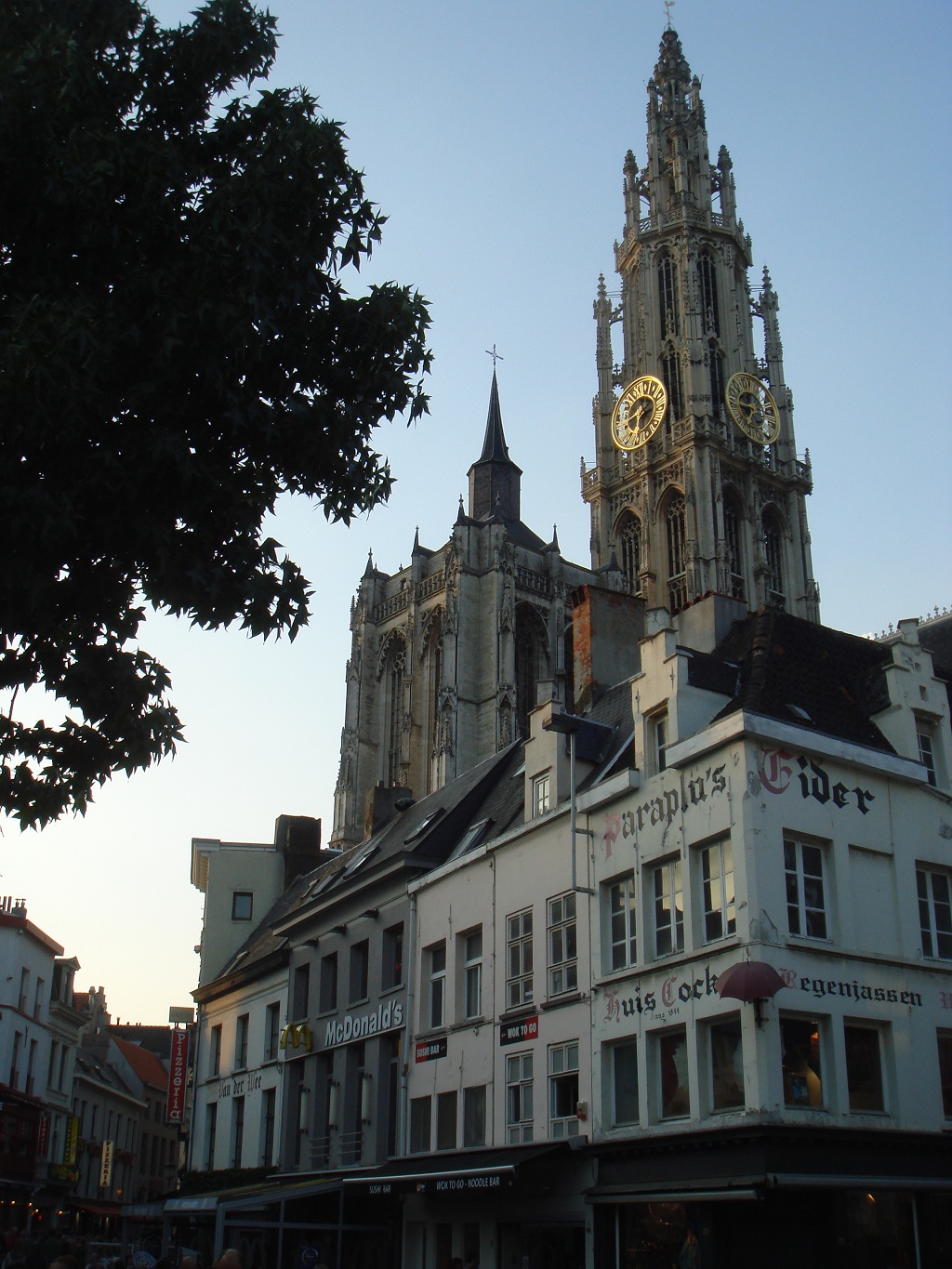
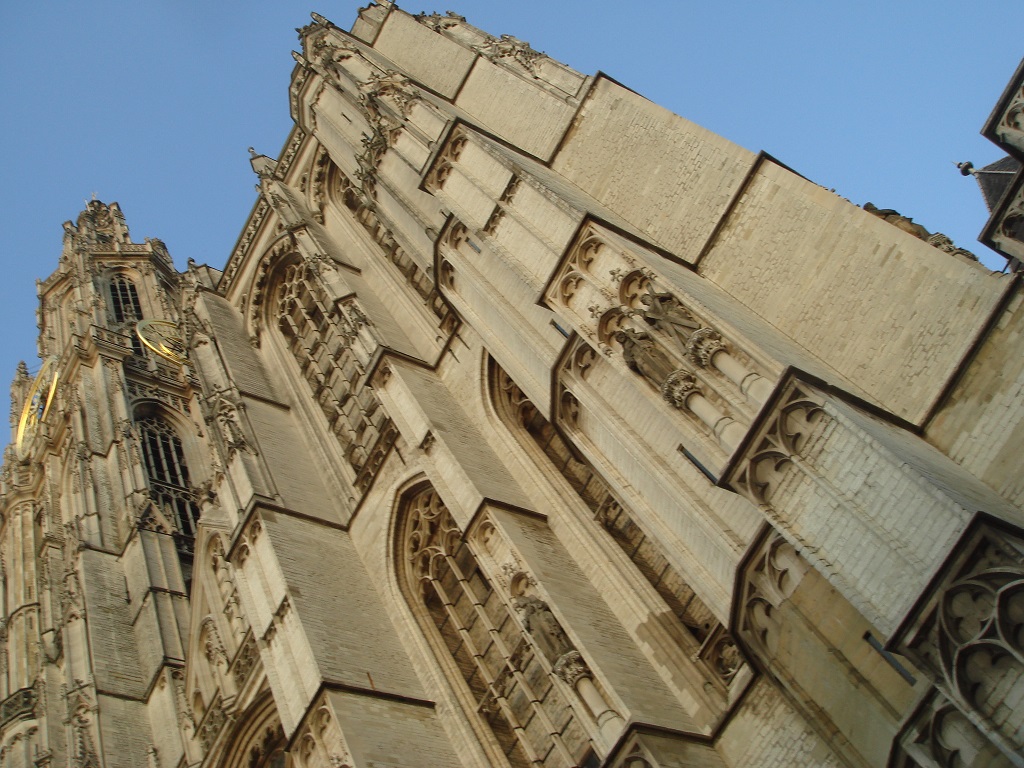 Antwerp Cathedral
(Handschoenmarkt, 2000 Antwerpen)
-
The largest Gothic structure in the Benelux countries,
the
Antwerp Cathedral
has become the symbol of
Antwerp
- with
its distinctive single spire. The Cathedral of Our Lady
is, artistically speaking, most renowned for the monumental
and impressive Baroque altar-pieces by
Antwerp
most
famous son - Peter Paul Rubens which were specifically
designed and painted for this cathedral.
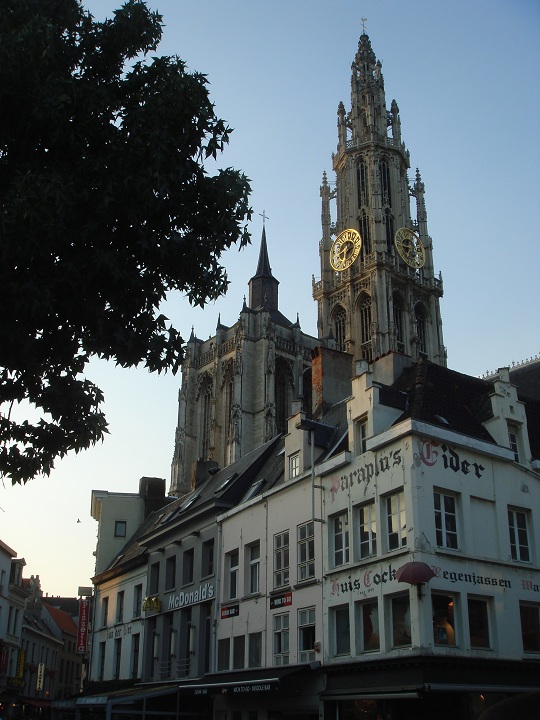
Antwerp Cathedral
(Handschoenmarkt, 2000 Antwerpen)
-
The largest Gothic structure in the Benelux countries,
the
Antwerp Cathedral
has become the symbol of
Antwerp
- with
its distinctive single spire. The Cathedral of Our Lady
is, artistically speaking, most renowned for the monumental
and impressive Baroque altar-pieces by
Antwerp
most
famous son - Peter Paul Rubens which were specifically
designed and painted for this cathedral. -
Rockoxhuis (Keizerstraat 10, 2000 Antwerpen) - A ruin when it was bought by KBC - the Rockoxhuis has been restored and refurbished according to the original plan and interior design.
-
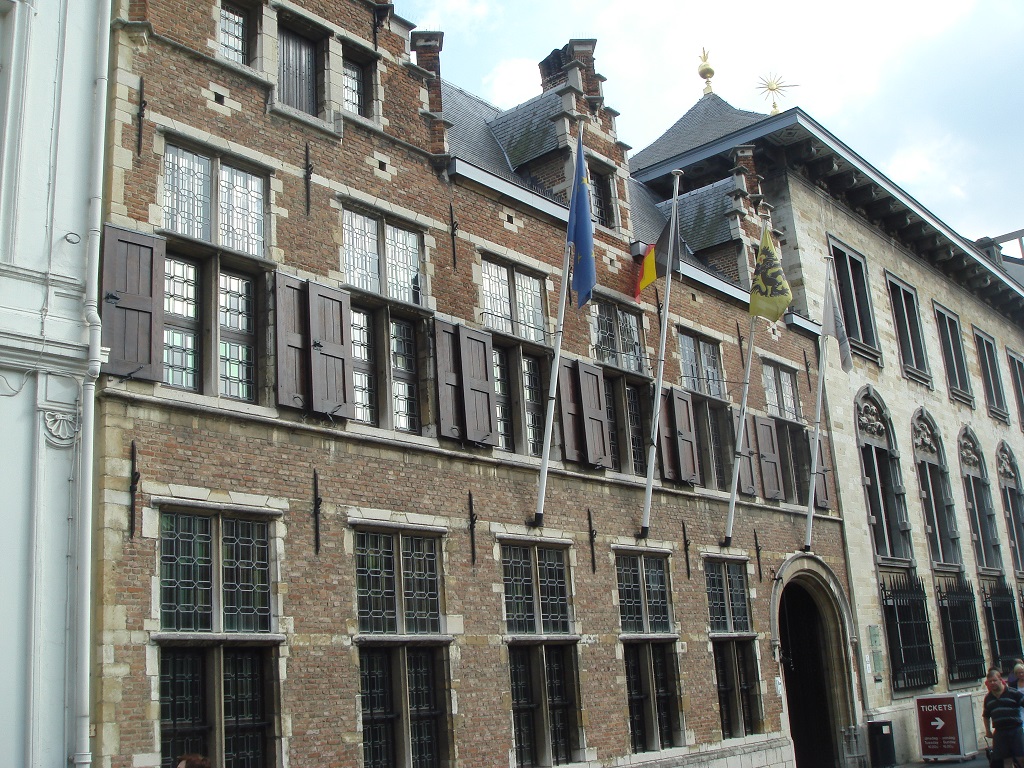 Rubenshuis
(Wapperplein 9/-11, 2000 Antwerpen, Belgium)
-
Acquired by the city in 1937, the house was practically
a ruin. Since restored to the original plan, Rubens house
has become one of the city's top attractions. In spite
of the limited number of The Great Painters pictures
inside (although there are many others around
Antwerp
city) the
Rubenshuis
is a great way to discover how the great artist and diplomat once lived.
Rubenshuis
(Wapperplein 9/-11, 2000 Antwerpen, Belgium)
-
Acquired by the city in 1937, the house was practically
a ruin. Since restored to the original plan, Rubens house
has become one of the city's top attractions. In spite
of the limited number of The Great Painters pictures
inside (although there are many others around
Antwerp
city) the
Rubenshuis
is a great way to discover how the great artist and diplomat once lived. -
Groenplaats - Not as green as the name would suggest, Groenplaats was originally Antwerps central cemetery until Emporer Joseph II banned cemetries inside the city walls so it was converted into a sqaure and nicknamed the "Green Cemetery." Now a square bordered by terraces of cafes it's a fairly relaxing place to sample some of the the specialty beers Belgium has to offer in full view of a prominent statue of Antwerps best known son - Peter Paul Rubens. The Grand Bazar was renovated in 1920 and now serves as the Hilton Antwerp which is one of the more interesting buildings in the square.
-
Theaterplein market - On every weekend, the Theaterplein Market is a veritable hive of fresh food supplies. Several stalls are manned and stocked by the north African immigrants who have settled in Antwerp and, consequently, often supply foods and fruits from their own countries. Marvellous selection of ingrediants best washed down with a pint of Belgian Best at the nearby Oud Arsenaal
-
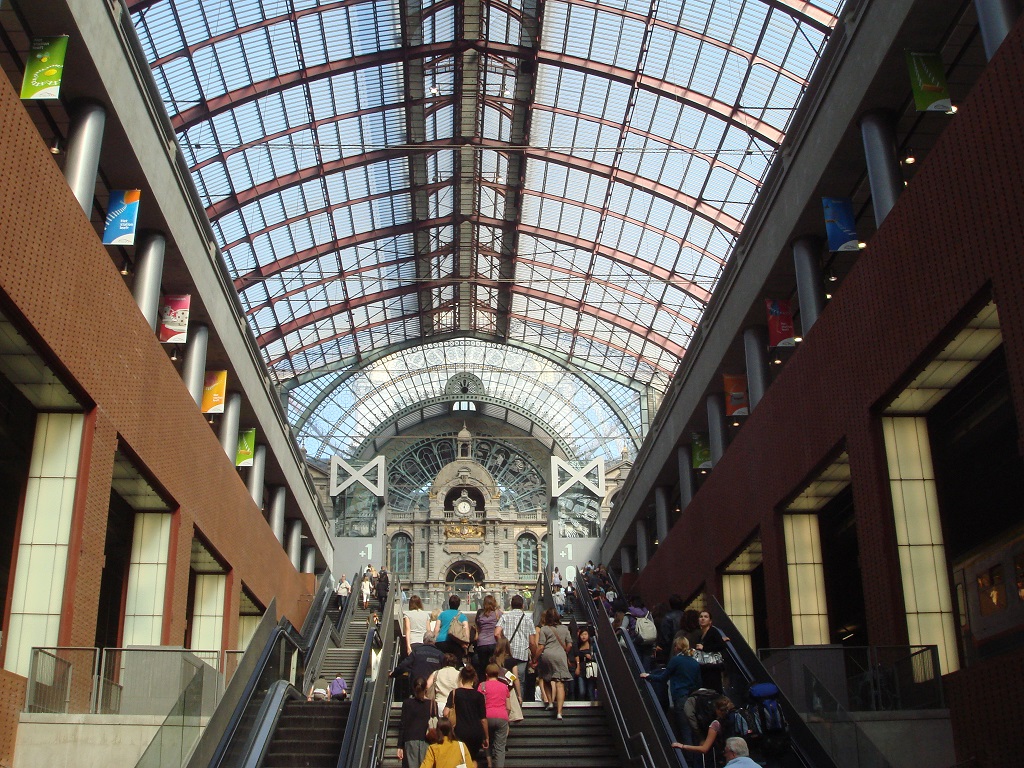
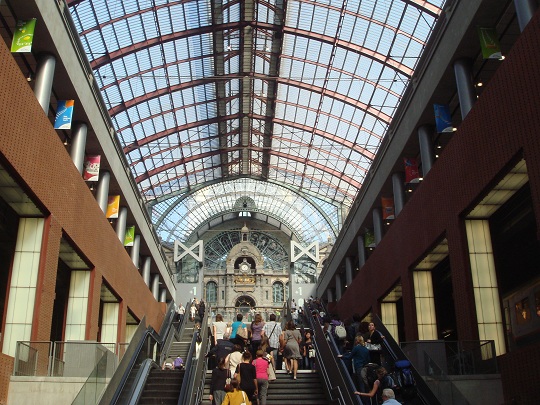
Centraal Station (Koningin Astridplein, 2018 Antwerp) - I'm not normally one to suggest that you hang out around train stations. Unless you're homeless or addicted to something - preferably illegal and both. Antwerpen Centraal Station, however, is quite a piece of work. The visibly modern platform areas are impressive enough - but have been well woven into the fabric of the older sarcophagus. Elevators have been strategically place so progressively more of the early-20th century façade.
-
Vleeshuis (Vleeshouwersstraat 38, 2000 Antwerpen) - Literally, "The Meat House" the Vleeshuis was once home to the Butchers Guild. The alternating red and white colours now make it look like a great big pile of bacon.
-
St Jacobskerk (Lange Nieuwstraat 73, 2000 Antwerpen) - Originally an inn for the pilgrims en route to the shrime of St. James in Santiago de Compostela a modest chapel was added when the community becmae a parish in its own right. Originally the spire was intended to be larger than that of the Antwerp City Hall when construction commenced in the late 15th century. However, it only ever reach 55 meters - a third of the intended height. After the Iconoclasm, Calvinist domination and a return to Catholicism, the Church was extended in the 17th Century in the Gothic style with furniture, ornaments and building materiels donated by tradesmen. Peter Paul Rubens is buried in one of the seven chapels which radiate around the ambulatory around the high altar - the chapel also includes a painting of Our Lady and the Saints which was completed by the Rubens himself and, it is believed, that St George is a self-portrait and other figure portraits of his family.
-
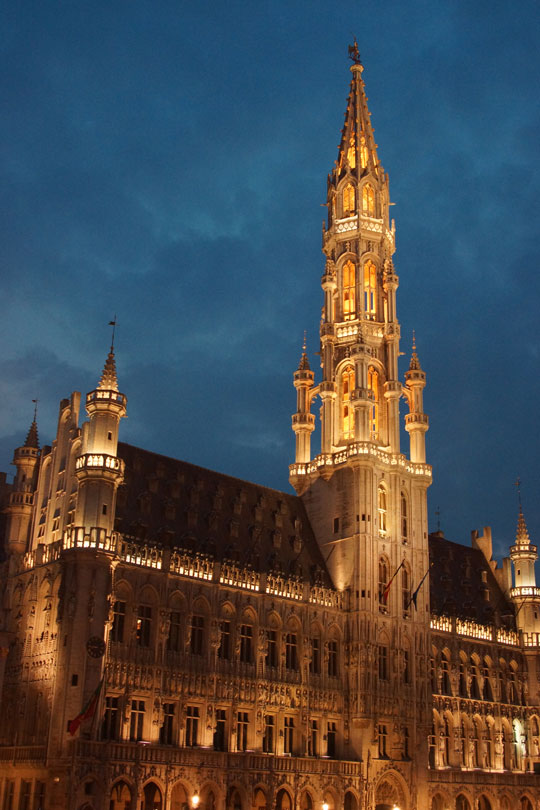
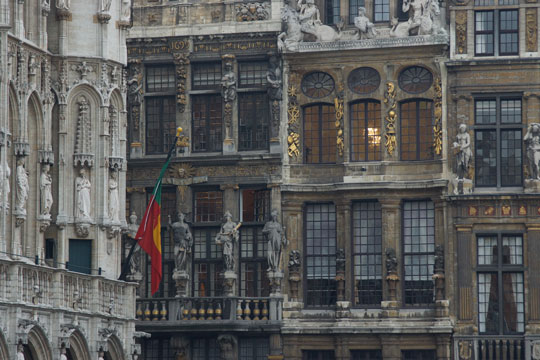
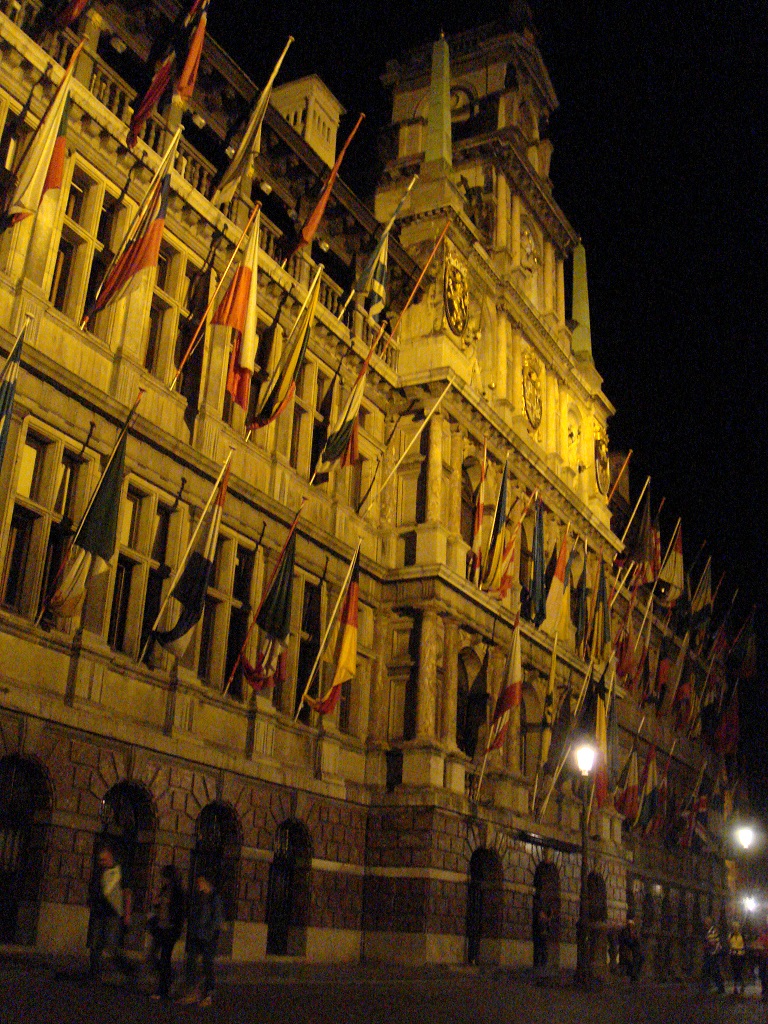 Grote Markt and
Antwerp City Hall
(Grote Markt 1, 2000 Antwerpen)
- The heart of
Antwerp
Old
City, the Grote Markt boasts an impressive array of
former Guild Houses. The Grote Markt is dominated by
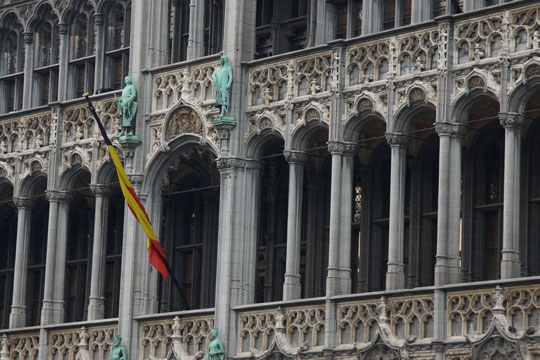
the Stadhuis on one side - an enormous 16th century
Renaissance building designed by Cornelis Floris de
Vriendt. The
Antwerp City Hall
continues to function as the
City Hall and administrative offices and is open to
the public for the monthly meetings of the City Council.
Grote Markt and
Antwerp City Hall
(Grote Markt 1, 2000 Antwerpen)
- The heart of
Antwerp
Old
City, the Grote Markt boasts an impressive array of
former Guild Houses. The Grote Markt is dominated by
the Stadhuis on one side - an enormous 16th century
Renaissance building designed by Cornelis Floris de
Vriendt. The
Antwerp City Hall
continues to function as the
City Hall and administrative offices and is open to
the public for the monthly meetings of the City Council. -
Carolus Borromeuskerk (Hendrik Conscienceplein 12, 2000 Antwerpen) - One of the most beautiful churches in Antwerp, and in one of the most handsome squares, was constructed by the Jesuits in the 17th century.
Rubens contributed to the façade, tower and much of the interior. However, following a lightening strike in 1718 a fire broke out and 39 ceiling paintings by Rubens and much of the original marble was destroyed. Fortunately, the main altar and the Mary Chapel survived and hark back to the church's original splendor.
The paintings of the main altar are interchangable and still use the original, still working, mechanism.
Where to stay
Please mention MarksTravelNotes.com when contacting these fine establishments. I have stayed at all these hotels.
-
Hilton Antwerp (Groenplaats 32, Antwerpen) - Very well located in central Antwerp the Hilton Antwerp is very comfortable and scores well in both the Comfy Carpet Stakes and the Good Bathroom Stakes. In what is the oldest hotel on Groeplaats - both the rooms and common areas are spacious and airy. Very recommended.
-
Hotel Ibis Antwerp Centrum (Meistraat 39, 2000 Antwerpen) - Closer to the budget end of the scale than the Hilton Antwerp , the Hotel Ibis Antwerp Centrum is a value option. Basic, clean and functional type that does what it says on the tin - nothing more, nothing less. Bathrooms are tiny. Close to the Theaterplein weekend market and the Oud Arsenaal pub. Which is nice.
Where to eat to drink
My recommendations
Please mention MarksTravelNotes.com when dining / drinking at these fine establishments. I have visited all these establishments.
-
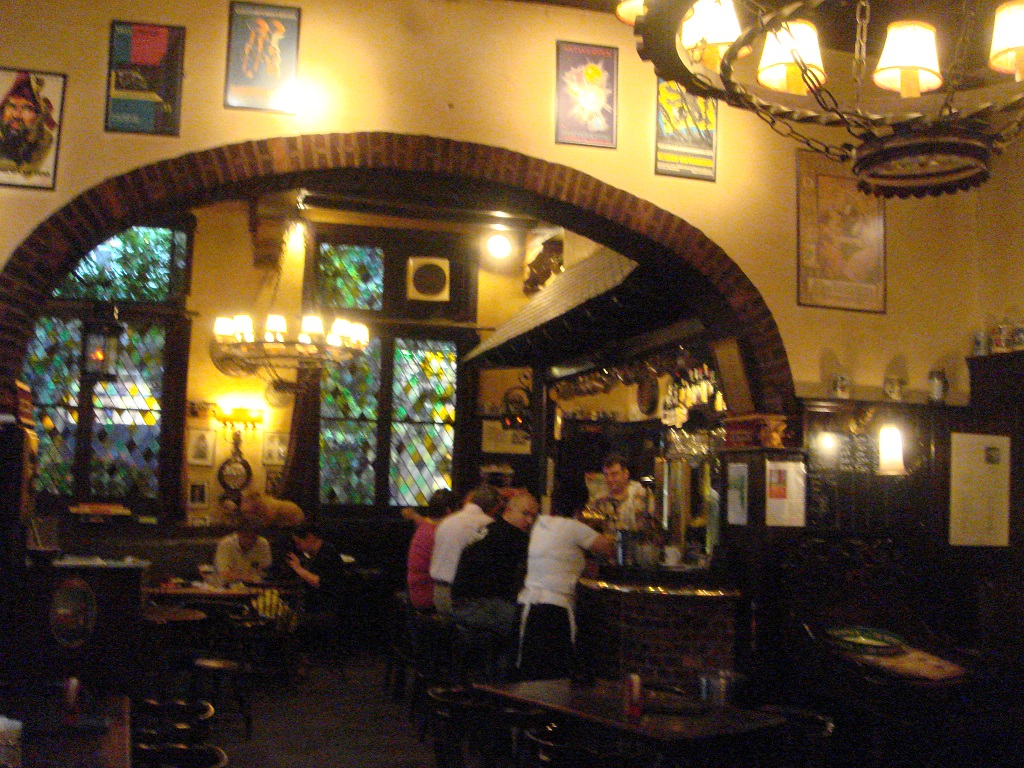
Quinten Matsijs (Moriaanstraat 17, Antwerp) - Does an excellent line in Vlaams Carbonara and Steaks in a variety of Sauces in a traditional setting. Close to the Slovenia , the Quinten Matsijs is in the heart of the Old Town town down a wee little alley-way. Soak up some of the old town in the outside seating in warmer weather or inside for a more traditional pub setting.
-
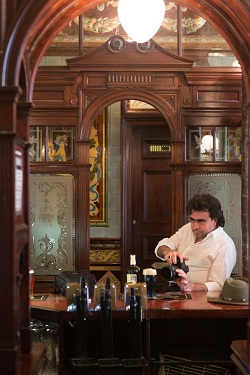
Het elfde gebod (Torfburg 10, 2000 Antwerpen) - Somewhat touristic (i.e overpriced) yet characterful pub close to Antwerp Cathedral with an excellent range of Belgian beers. Massively worth visiting for the range of angels and saints which adorn the walls of what used to be a "a place for loose women."
-
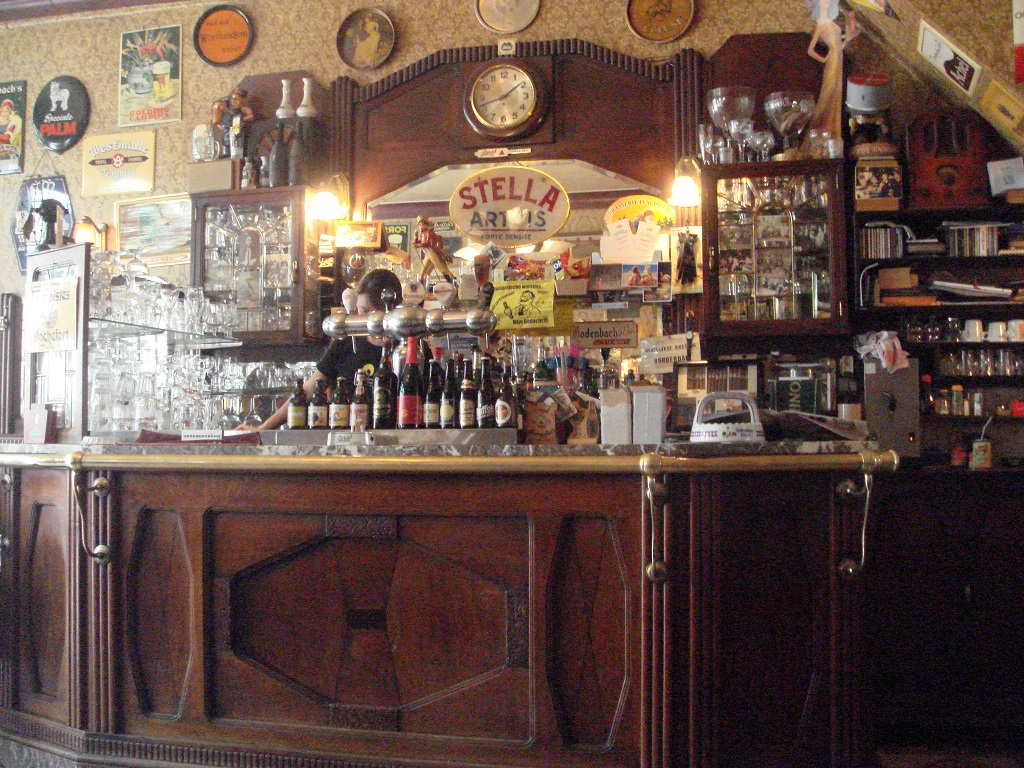
Oud Arsenaal (Maria Pijpelincxstraat 4, Antwerpen) - Proper Belgian pub with an excellent selection of Belgian beers - including Trappist beers (Westmalle) and the locally brewed De Koninck. Popular with the nearby market traders at the nearby Theaterplein and their patrons. Lively local place.
Local tips
On my last trip to Antwerp, I got chatting to a couple of locals in the Oud Arsenaal who had these recommendations.
-
Fiskebar (Marnixplaats 12113, 2000 Antwerpen) for fish food.
-
A La Ville (Zirkstraat 37 2000 Antwerp) for Provençal cuisine. Pricey apparently - but good quality at price.
-
Cafe Hopper (Leopold De Waelstraat 2 2000 Antwerp) - popular Jazz bar
-
Entrepot du Congo (De Burburestraat 2 2000 Antwerpen) - apparently popular bistro for a beer and bistro-style dining.