Related Posts
Spa Francorchamps - Eau Rouge
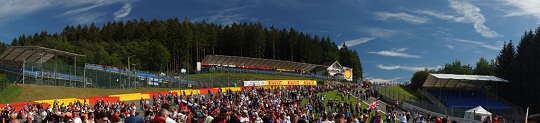 The famous Eau Rouge at the Spa Francorchamps formular one circuit
The famous Eau Rouge at the Spa Francorchamps formular one circuit
Spa Francorchamps - Felipe Massa at the 2012 Belgian Grand Prix
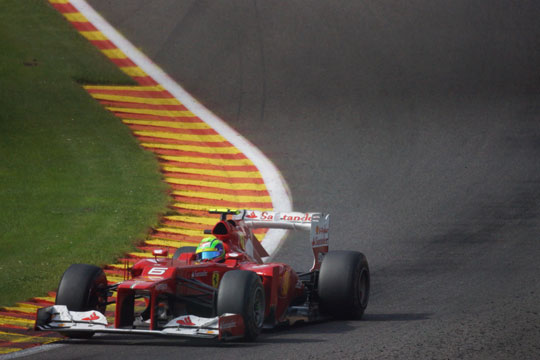 Felipe Massa goes through Eau Rouge in a Ferrari at the 2012 Belgian Grand Prix
Felipe Massa goes through Eau Rouge in a Ferrari at the 2012 Belgian Grand Prix
Spa Francorchamps - Jenson Button at the 2012 Belgian Grand Prix
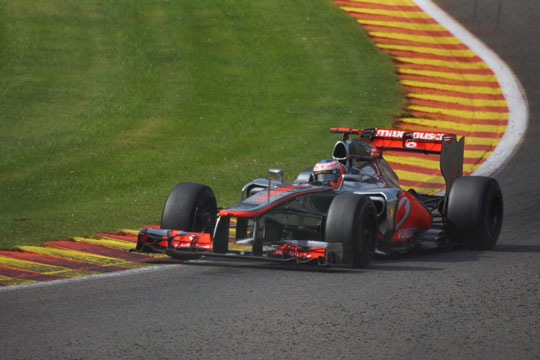 Jenson Button in his Maclaren Mercedes at the 2012 Belgian Grand Prix
Jenson Button in his Maclaren Mercedes at the 2012 Belgian Grand Prix
Spa Francorchamps - Jenson Button at the Belgian Grand Prix drivers parade
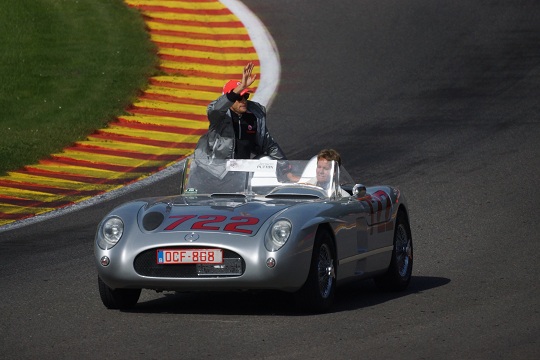 Jenson Button at the drivers parade of the 2012 Belgian Grand Prix
Jenson Button at the drivers parade of the 2012 Belgian Grand Prix
Spa Francorchamps - Mark Webber at Eau Rouge in the 2012 Grand Prix
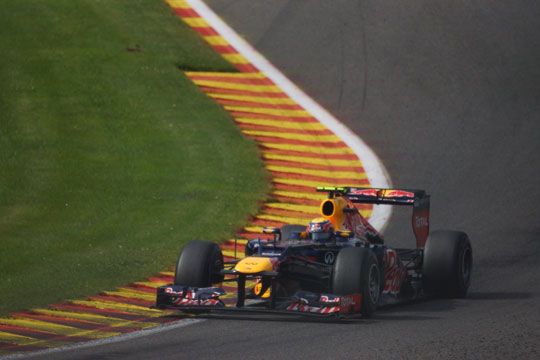 Mark Webber in his Red Bull goes through Eau Rouge at the 2012 Belgian Grand Prix
Mark Webber in his Red Bull goes through Eau Rouge at the 2012 Belgian Grand Prix
Spa Francorchamps - the view from Eau Rouge
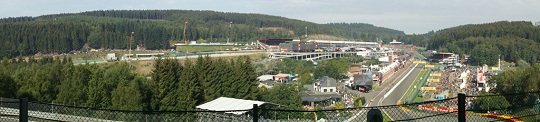 View of the Spa Francorchamps circuit seen from the Gold 3 stand at Eau Rouge
View of the Spa Francorchamps circuit seen from the Gold 3 stand at Eau Rouge
Spa Francorchamps - Alonso at Eau Rouge for the 2012 Belgian Grand Prix Qualifying
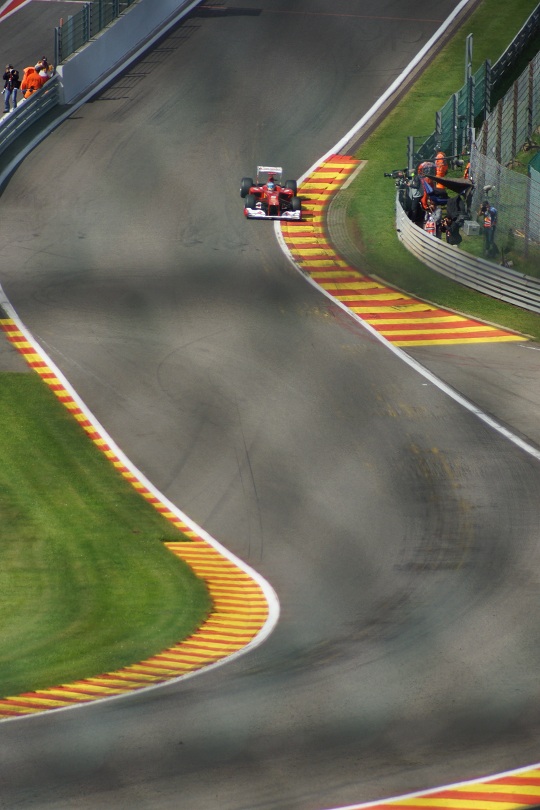 Fernando Alonso at Eau Rouge at the 2012 Belgian Grand Prix qualifying session at the Spa Francorchamps circuit
Fernando Alonso at Eau Rouge at the 2012 Belgian Grand Prix qualifying session at the Spa Francorchamps circuit
Spa Francorchamps - Massa and Hamilton enter Eau Rouge
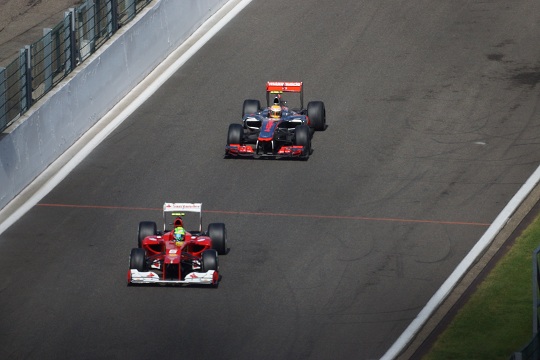 Felipe Massa and Lewis Hamilton at Eau Rouge at the 2012 Belgian Grand Prix qualifying session
Felipe Massa and Lewis Hamilton at Eau Rouge at the 2012 Belgian Grand Prix qualifying session